Innovative public-private partnership (PPP) transaction designs that can help attract private investment and deliver more efficient and sustainable infrastructure were the focus of the second session of the 2026 PPP Hot Topics Workshop Series, cohosted by the Multilateral Cooperation Center for Development Finance (MCDF) and partners online on 17 June.
The three-part workshop series in 2026 is co-organized with Egypt’s Ministry of Finance, the African Development Bank (AfDB), Asian Development Bank (ADB), CAF – Development Bank of Latin American and the Caribbean, the Eurasian Development Bank (EDB), Public-Private Infrastructure Advisory Facility (PPIAF), and World Association of PPP Units and Professionals (WAPPP). The second workshop saw continued high and balanced participation across all regions globally and international organizations.
View the Recordings of the Workshop on Innovations in PPP Transaction Design
Download the Workshop Speakers’ Presentations
The session opened with an overview presentation by Mr. Ede Iijasz, a Senior Advisor to MCDF’s CEO and the series’ moderator and strategic lead, who described how some infrastructure services may not fit a traditional concession. He said that classic design-build-finance-operate-maintain concessions are appropriate when a single asset, long tenor, and stable revenue logic dominate while non-traditional service PPPs are useful when governments need flexibility, a faster rollout, or improved performance.
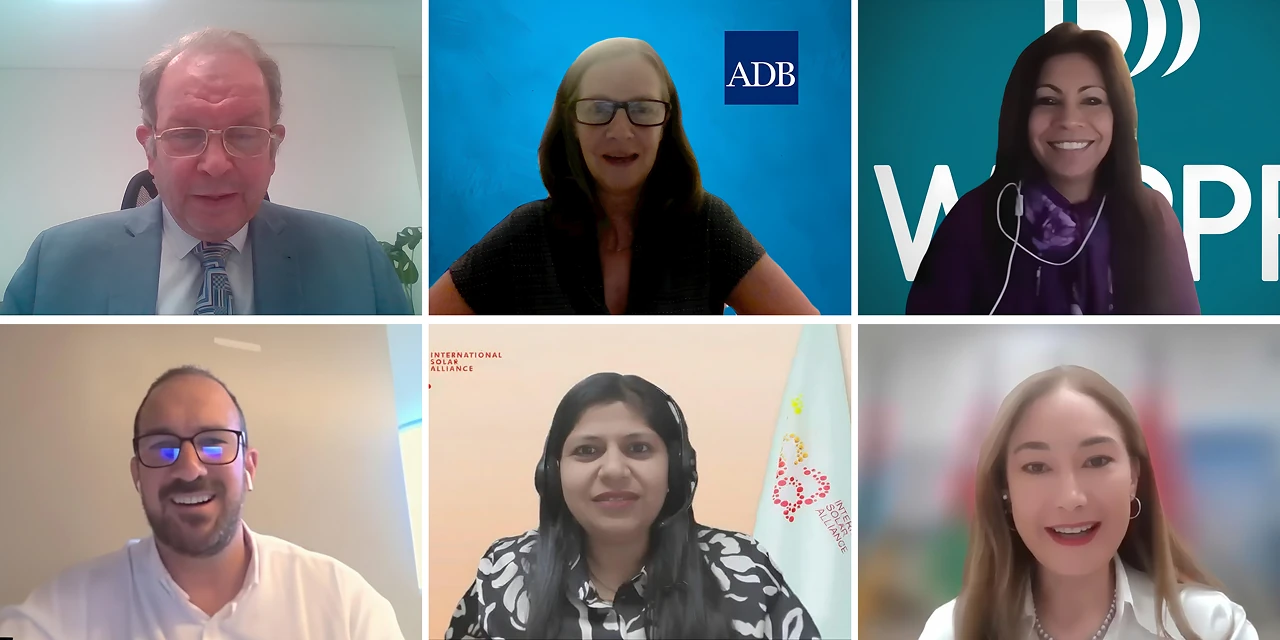
The workshop went on to feature presentations by PPP practitioners from governments, International Financial Institutions (IFIs), PPP centers, and partners which explored innovative approaches to PPP transaction design based on practical experiences from projects across sectors and regions. The key takeaways are outlined below:
- ADB is piloting a practical template for PPP operations and maintenance contracts
Ms. Helen Steward, Principal Specialist in ADB’s PPP Office, noted that many countries are increasing their use of PPP operation and maintenance (O&M) contracts to deliver infrastructure services, including state-owned facilities that need to be refurbished or new facilities that governments may want to monetize. She said ADB’s new template aims to provide practical help in tendering an infrastructure facility’s O&M and that ADB is seeking projects to pilot it on.
- PPPs can be used for performance-based O&M contracts of infrastructure assets
Mr. Carlos Lamas, a Brazil-based Senior Transport Specialist at the World Bank, said the road sector has been using O&M contracts for over a decade, helping to improve road conditions and lower road asset management costs 20-40% in five years and 60% in 10 years. Next generation O&M contracts are evolving to include investment for road safety and climate and disaster mitigation and the World Bank’s new guidelines detail how to use them, he added.
- Single-purpose companies can design, build, finance, and operate a targeted facility that provides a specific service linked to other public infrastructure assets
Dry Ports
The process for designing Egypt’s 10th of Ramadan Dry Port and Logistics Center to ensure that operators were incentivized to bid and deliver was outlined by Mr. Atter Hannoura, Director of the PPP Central Unit of the country’s Finance Ministry. He said this included identifying a strategic location with strong transport links and providing exclusivity for logistics over a specified area while imposing penalties if key performance indicators were not met.
Building Cooling
Ms. Jyoti Bisbey of WAPPP discussed the World Bank-supported Grenada Sea Water Air Conditioning PPP Project which uses innovative sea water cooling technology that will reduce electricity use by 83% and emit no greenhouse gases. She detailed how the project leverages private sector investment and provided an example of its application in small island developing states in the Caribbean, Indian Ocean, and Pacific Ocean.
Municipal lighting
The Atyrau Street Lighting PPP in Kazakhstan was presented by Ms. Zhanar Zhakupova, Director of EDB’s Energy Division. The project is notable for its high impact, which she said has lowered energy use by 80%, lowered O&M by 36%, and reduced nighttime road accidents by 44%.
- PPPs can deliver rooftop solar at scale with positive financial and climate mitigation results
Ms. Saachi Singla of the International Solar Alliance explained that rooftop solar involves thousands of small, distributed assets that are too economically small to finance individually and too dispersed to manage. She said PPP structures can overcome these challenges by aggregating individual rooftops into bankable, manageable packages, while shifting installation, financing, and O&M risk to a capable private developer. India’s solar rooftop programs are among the world’s largest and most successful in this regard, she continued.
The third and final session of the 2026 Workshop Series on PPP Hot Topics will take place virtually on 22 July and explore data center PPPs.
Contact
David Hendrickson
Senior Communications Officer
Mobile: +86 185 0114 6758
david.hendrickson@themcdf.org